Practical Knowledge
Episode 5: How to Identify and Avoid Cryptocurrency Scams
Cryptocurrency has created exciting new opportunities, but it has also attracted fraudsters who prey on people’s lack of knowledge and the promise of quick riches. Knowing the common scams can improve your chances of protecting yourself.
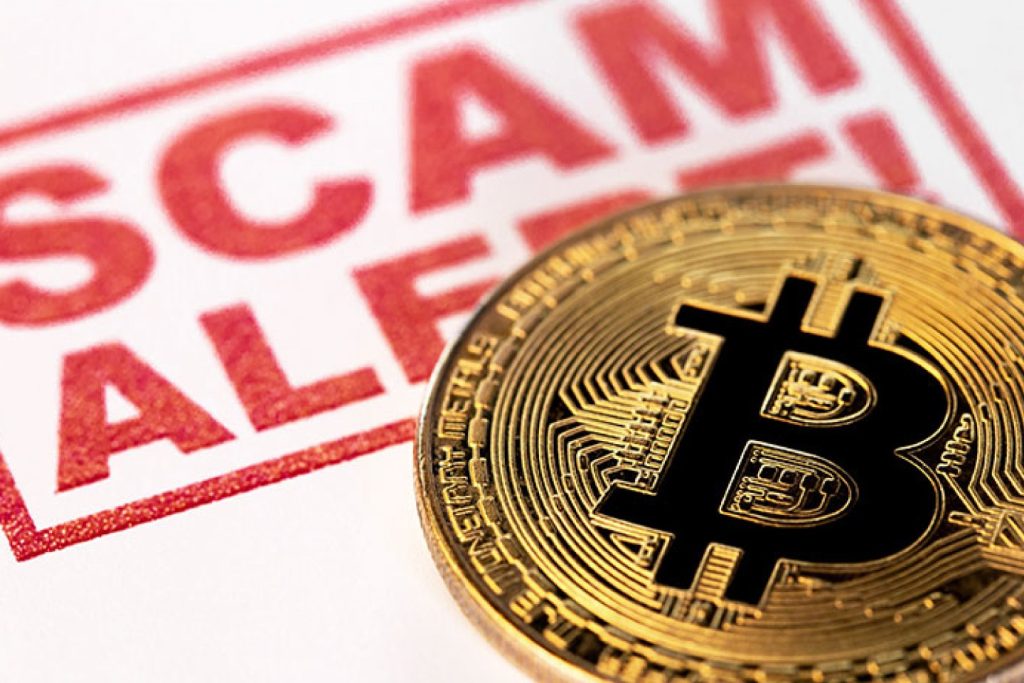
“Guaranteed returns” investment schemes
These scams promote quick and high returns on your investment with little or no risk if you send them your crypto. They often rush you to invest your crypto quickly. If it sounds too good to be true, it almost certainly is.
Fake exchanges or wallets
Criminals set up fake websites to look like real cryptocurrency exchanges or wallet apps. When a victim deposits money or enters their login information, they steal everything. To avoid nasty surprises, always check web addresses carefully, as scammers will alter them so that they look similar. Legitimate sites use HTTPS, and they are consistent in branding.
Fake Giveaways and Doubling Scams
Fake giveaways, which impersonate celebrities or legitimate companies on social media, are popular scams that propagate online. The scammer promises to double the amount you send or to offer a giveaway as a prize. The rule is simple: if you must send crypto first in order for the scammer to send it back to you later, it is always a scam.
Romance and Social Media Scams
Scammers use dating apps or social media to develop a relationship with you, then gradually introduce cryptocurrency investment opportunities for you. They will often persuade you to invest by showing fake images or videos of their trading profits. After you send money to any exchange or platform using your crypto, they disappear.
Phishing Attacks
Scammers sometimes impersonate trusted companies or wallets by sending emails, messages, or fake links that mimic these entities in order to steal your login details or private keys.
To stay safe, watch out for common red flags such as high-pressure tactics or strict deadlines, promisesof guaranteed profits with no risk, requests for your private keys or passwords, unsolicited contact from strangers, poor spelling or grammar on websites or emails, and celebrity endorsements that seem too good to be true. Always use trusted exchanges and wallets and never share your private keys or passwords. Be extra careful when checking website links to avoid fake sites and never click on a link without verifying it first. Research every investment opportunity thoroughly and be wary of anyone online asking for money or cryptocurrency, especially if you do not know them. Start with small amounts you can afford to lose, trust your instincts, and always verify before sending funds. When in doubt, ask for advice. We are here to help. In the next episode we will explore some of the real-world applications for crypto beyond just payments.