Practical Knowledge
Episode 4: How to Buy and Store Cryptocurrency
Getting started with cryptocurrency begins with buying it.
There are several ways to do this. The most common way to trade cryptocurrencies is through centralised exchanges. Centralised exchanges are online platforms that allow you to buy, sell or trade cryptocurrencies using local currency or foreign currency. Centralised exchanges involve normal KYC onboarding processes like registration and identity verification. Once registered successfully, the user may then link their bank account with the exchange and proceed to buy the assets. An exchange must be licensed to provide services in a particular country. Some of the popular centralised exchanges are Binance and Coinbase.

Another method is peer-to-peer trading. Here, you buy it directly from another person online or in person. For example, someone in Masvingo may sell you Bitcoin for cash or a money transfer. In certain countries, there are Bitcoin ATMs where you insert cash and receive cryptocurrency directly into your wallet.
Once you have cryptocurrency, you will need a wallet to store it securely. A wallet is essentially a digital bank account where coins are stored. There are two types of wallets:
- Hot wallets are connected to the internet and these are easy to use for daily transactions like sending money or making purchases. However, because they are online, they can be vulnerable to hacking.
- Cold wallets are offline devices to store coins securely, so your cryptocurrency isn’t vulnerable to online threats. Cold wallets are best for storing large amounts of cryptocurrency for an extended period of time.
Security is everything when using a crypto wallet. During the wallet onboarding process, you will be given private keys, usually a string of 12 or 24 words. Those words are your proof of ownership and the only way to access your wallet. If you allow someone access to your private keys, they have total ownership of your crypto assets and can steal them.
To make sure you protect yourself at all times, it is very important to keep your private keys in a safe, secure, and offline place. Don’t save them in your email, take a picture of them, or type them in a message. Hackers love those options. It is safer to write a copy of your private keys on paper and store them securely. And an even better option would be to use a cold hardware wallet.
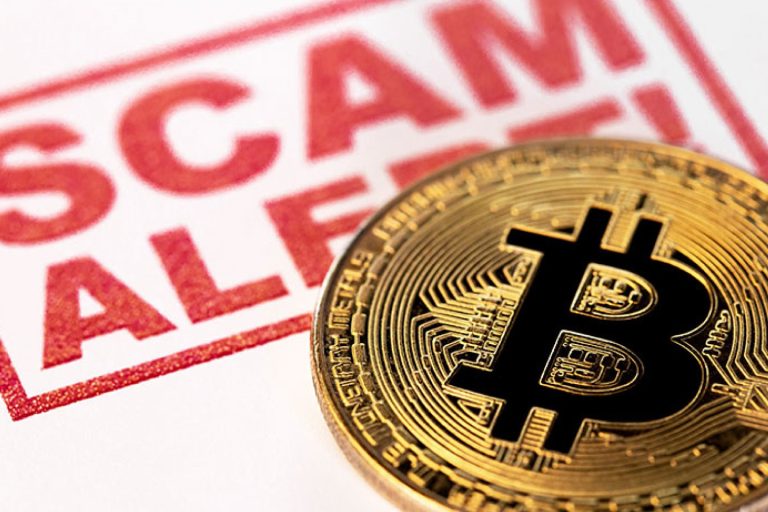
Never share your private keys with anyone, no matter the reason. Be cautious of scams that try to trick you into revealing them. Remember, if you lose control of your private keys, you lose control of your money. The rule that you need to remember is if you do not have control of your private keys, then you do not have control of your money or crypto assets.
In the next article, we will reveal the most common tricks scammers use and provide practical tips on how you can spot them early in their methods. Staying alert is the best way to protect your money, so this article is going to help you.